What Is Eye Dilation & When Do You Need It
Baptist Eye Surgeons • November 26, 2018

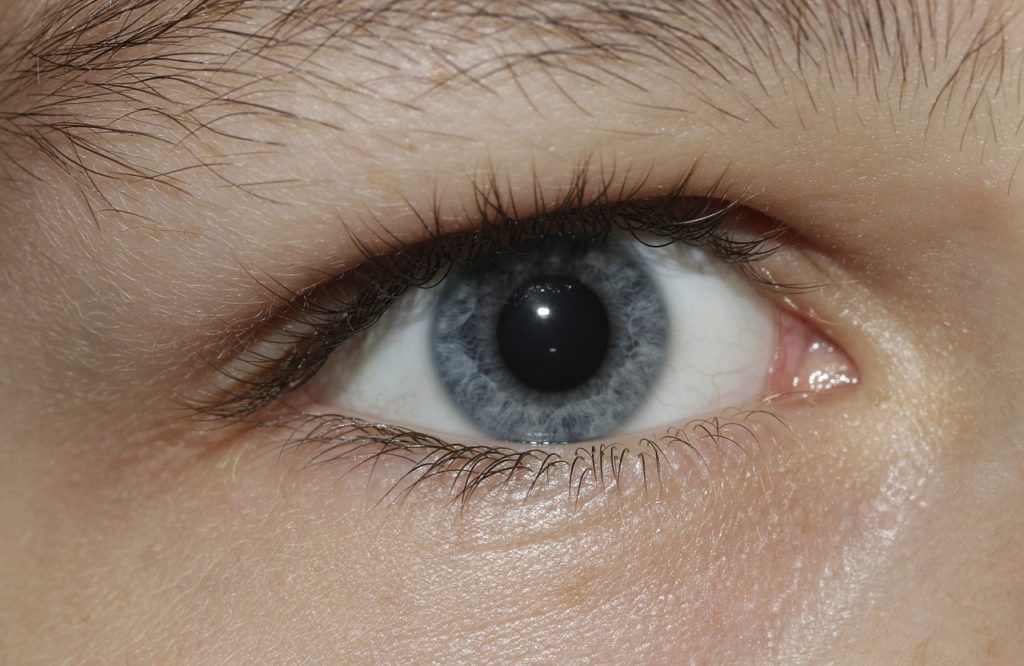
eye dilationThe pupils of your eyes normally get smaller when exposed to light. Eye dilation is when your eye doctor uses special eye drops to dilate, or widen, your pupils. The drops force your pupils to stay open even when the eye doctor shines light in your eyes. This allows the eye doctor to more clearly see the back of your eye, including the retina, the macula, and the optic nerve.

Whether eye dilation during an exam is necessary or not depends on the reason for your exam, your age, your overall health, and your risk of eye diseases. Eye dilation is especially important if you’re having vision problems or any eye pain, or if you have risk factors for certain eye diseases.

Eye dilation enables your doctor to detect common diseases and conditions, even at their earliest stages, including:

How often you should to have an eye dilation exam depends on your age, general health, and risk factors. The American Academy of Ophthalmology recommends that adults with no signs or risk factors for eye disease get a baseline exam including dilation at age 40. If you have a family history of glaucoma or macular degeneration you’ll need eye dilation exams on a regular basis. Your ophthalmologist can advise you on how often you should have a dilated eye exam.

What To Expect

Your ophthalmologist will put a small amount of dilating eye drops into each of your eyes. It typically takes about 20 to 30 minutes for your pupils to fully open. Your vision will be slightly blurry and you may have difficulty focusing on objects close up while your eyes are dilated. You may also be sensitive to bright light, so it’s a good idea to bring sunglasses to wear when you leave your appointment.

Depending on the type of dilating eye drop used and how your eyes react, the effects of eye dilation can last a few hours. While most people are comfortable driving after their appointment, it’s a wise idea to make arrangements for someone to drive just in case your vision is too blurry.

Baptist Eye Surgeons is an ophthalmological practice in Knoxville, TN, and Morristown, TN, dedicated to providing quality eye care to patients whose needs range from routine comprehensive eye examinations to complex eye surgeries. To meet our doctors and learn more about our specialities, visit our website or give us a call at 865-579-3920 for more information or to schedule an appointment.
 

June 30, 2026
Night vision problems can make everyday activities like driving at dusk, walking in poorly lit places, or adjusting to indoor lighting harder and sometimes unsafe. Trouble seeing in low light, called nyctalopia, is not a disease itself but a sign that something else may be affecting your eyes. Learning what causes night vision problems and when to get help is important for keeping your vision healthy. What Are Night Vision Problems? Night vision problems mean it is hard to see clearly in low light or darkness. Some people notice their eyes take longer to adjust when going from bright to dim places. Others may have trouble with glare from headlights, seeing less contrast, or things just looking dimmer at night. Mild changes in night vision can happen as you get older, but if your symptoms keep getting worse or do not go away, you should pay attention to them. Common Causes of Night Vision Difficulties There are several potential causes of night vision problems. Night vision problems can have many causes, from getting older to certain eye conditions, such as lens problems, leading to blurred vision and increased sensitivity to glare. They are one of the most common causes of poor night vision, especially in older adults. 1. Cataracts Cataracts cause clouding of the eye’s natural lens, leading to blurred vision and increased sensitivity to glare. They are one of the most common causes of poor night vision, especially in older adults. 2. Vitamin A Deficiency Vitamin A is important for keeping your retina healthy. If you do not get enough vitamin A, your eyes may have trouble adjusting to darkness, which can lead to night blindness. 3. Glaucoma Some types of glaucoma can affect your side vision and make it harder to see differences between light and dark. As the optic nerve gets damaged, seeing in low light can become more difficult. 4. Retinitis Pigmentosa This inherited eye condition slowly affects your ability to see at night and to the sides. Early signs often include trouble seeing in the dark. 5. Diabetes-Related Eye Disease Diabetic retinopathy can harm the blood vessels in your retina, which may cause blurry vision and make it harder to see at night. 6. Aging and Pupil Changes As people get older, their pupils do not react to light changes as quickly, and the retina becomes less sensitive. This naturally makes night vision worse over time. Symptoms to Watch For Night vision problems often develop slowly. Some common signs are: Difficulty seeing in low light or darkness Trouble driving at night due to glare from headlights Longer adjustment time when moving between light and dark environments Reduced contrast or clarity in dim settings Frequent squinting or eye strain in low light If these symptoms start to affect your daily life, it is a good idea to get a full eye check-up. When to See an Eye Doctor You should see an eye doctor if you notice new night vision problems, if they are getting worse, or if you have other changes in your vision. The doctor can run tests to find out what is causing the problem and suggest the right treatment. A full eye exam might include checking your retina, testing your field of vision, and taking images to look at your eye health. Finding problems early is very important for conditions like glaucoma, diabetic eye disease, and retinal disorders, because early treatment can help protect your vision. Protecting Your Night Vision Not all causes of night vision loss can be prevented, but taking care of your eyes can lower your risk and help you see better. Some helpful steps are: Scheduling regular eye exams Handling chronic health conditions like diabetes Eating a diet rich in vitamin A and antioxidants Wearing proper corrective lenses if prescribed Avoiding driving with untreated vision changes Prioritizing Your Eye Health Night vision problems can be an early sign of eye disease. Since many eye problems develop slowly, having regular eye exams is one of the best ways to catch changes early and keep your vision healthy for the long term. If you have trouble seeing at night or notice any changes in your vision, making an appointment for an eye exam can help keep your eyes healthy and your vision clear in all types of light.
Understanding Eye Pressure: What It Means for Glaucoma Risk
June 1, 2026
Understanding eye pressure, or intraocular pressure (IOP), is important for protecting your vision. IOP considerably affects the development and progression...
How Your Diet Impacts Eye Health: Foods That Support Vision
April 12, 2026
Your diet influences more than just general wellness; it also helps protect your eyesight. At Baptist Eye Surgeons, we take a forward-looking approach to eye...