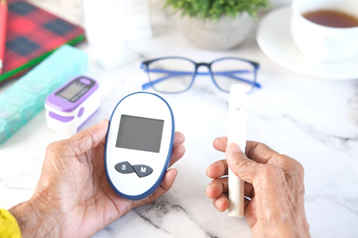
Diabetic Retinopathy — Everything You Should Know

Baptist Eye Surgeons • August 10, 2022

Diabetes can have far-reaching effects on your health including your vision. One common issue is diabetic retinopathy, a disease that attacks your central vision and gradually steals your sight. If you have diabetes then it’s important to know what exactly diabetic retinopathy is, how it can affect your vision, and what you can do about it.what is the first sign of diabetic retinopathy
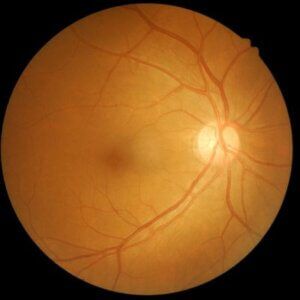
Diabetic retinopathy is an eye disease caused by high blood sugar. Common symptoms include blurred vision, dark spots in your vision, and vision loss. While not always preventable, there are steps you can take to manage diabetic retinopathy. It is diagnosed with a comprehensive eye exam and treated with medication or laser surgery.

What Is Diabetic Retinopathy?

Diabetic retinopathy is a diabetic eye disease caused by high blood sugar. For people who have diabetes, high blood sugar can damage blood vessels and cause them to swell in the retina, eventually resulting in them becoming blocked. This causes your body to grow new blood vessels in your eye to compensate for those that have been damaged.

When healthy, the blood vessels in your eyes play an important role in helping keep them healthy. Unfortunately, the new blood vessels that form aren’t nearly as helpful. These blood vessels are abnormal and don’t function correctly, but leak, leading to other complications such as diabetic macular edema ( DME ).

Diabetic retinopathy comes in two stages:

  • Early diabetic retinopathy
  • Advanced diabetic retinopathy 

Early diabetic retinopathy is the most common form of the condition. It causes the smaller blood vessels to become weak due to bulging, resulting in blood and other fluids leaking into your retina which can obscure your central vision. Larger blood vessels, nerve fibers, and the macula can also swell, causing an increased risk of blindness or vision loss.

If early diabetic retinopathy is left untreated then it can develop into advanced diabetic retinopathy . At this stage, the condition has progressed to the point that damaged blood vessels have been closed off. This causes your body to grow abnormal blood vessels that are weaker than the old ones and leak into the center of your eye.

These new blood vessels can eventually lead to:

  • Scar tissue
  • Retinal detachment
  • Increased eye pressure

Increased eye pressure is especially dangerous for your eye health. It can damage your optic nerve and eventually lead to glaucoma, which can result in vision loss. 

Click here to learn more about the effects of diabetic retinopathy on your eyesight!

Symptoms & Risk Factorsdiabetic retinopathy diagnosis
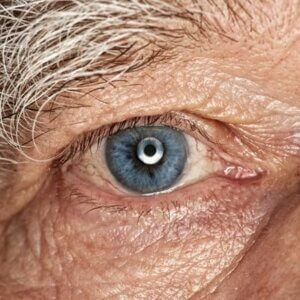
It’s possible that you may not experience any symptoms of diabetic retinopathy in the early stages. However, they will become more prevalent as your condition progresses. 

Symptoms of advanced diabetic retinopathy include:

  • Blurry vision
  • Eye floaters
  • Empty or dark areas in your vision
  • Changes in the clarity of your vision
  • Vision loss

Anyone who has diabetes can develop diabetic retinopathy. With that said, some are at a higher risk than others due to certain risk factors.

Common risk factors for diabetic retinopathy include:

  • Living with diabetes for a long period of time
  • Not controlling your blood sugar
  • High cholesterol
  • High blood pressure
  • Tobacco use
  • Pregnancy
  • Ethnicity

Prevention

Diabetic retinopathy isn’t always preventable. Fortunately, making positive lifestyle changes based on the above risk factors reduces the risk and puts you in a much better position to keep it under control. 

Key factors for preventing or managing diabetic retinopathy include:

  • Eating a healthy diet
  • Getting plenty of exercise
  • Taking your diabetes medication as directed
  • Monitoring your blood sugar levels
  • Lowering your blood pressure
  • Lowering your cholesterol
  • Quitting smoking
  • Paying attention to changes in your vision

The important thing to remember is that diabetes doesn’t have to result in vision loss. By taking active steps to control your blood sugar, you can manage your diabetes as well as conditions such as diabetic retinopathy. This will help preserve your vision and overall health for years to come.

To learn more about preventing diabetic retinopathy, click here !

Diagnosis

The best way to diagnose diabetic retinopathy is with a comprehensive eye exam. Unlike the vision screenings you may remember from school, these exams involve dilating your eyes. This allows your Knoxville eye doctor to view the structures of your eyes and better evaluate their health. 

Your evaluation may include optical coherence tomography (OCT). With OCT, our eye surgeons can evaluate the thickness of your retina to see how much fluid has leaked and may require some form of treatment.

Diabetic Retinopathy Treatment in Knoxville, TN

Once you have been diagnosed, your eye doctor at Baptist Eye Surgeons can develop an eye care treatment plan to help protect your vision. Treatment for diabetic retinopathy can vary depending on what stage you have. 

Some cases of early diabetic retinopathy may not even require immediate treatment. However, your eye doctor will want to monitor your condition in case anything changes. Diabetes management is the best form of treatment at this stage, so work with your primary care provider or endocrinologist and create a plan to keep your blood sugar levels under control.

Advanced cases and those with macular edema will require more immediate treatment. This may include:

  • Medications injected into the eye
  • Laser surgery
  • Vitrectomy

It’s important to note that these treatments are not a cure for diabetic retinopathy. Diabetes is a lifelong condition, meaning the threat of vision loss still exists. To protect your sight, you will need regular eye exams and possibly more treatment to preserve your vision.

Do you need treatment for diabetic retinopathy in Knoxville, TN? Contact us today to schedule your appointment!

High blood sugar can lead to diabetic eye diseases such as diabetic retinopathy. Signs in the advanced stage include blurry vision, eye floaters, and vision loss. Diabetic retinopathy can’t always be prevented, but it can be controlled with treatment. A comprehensive eye exam is required for diagnosis and it can be treated with medication or laser eye surgery.

Baptist Eye Surgeons is an ophthalmological practice in Knoxville, TN, and Morristown, TN. Give us a call at 865-579-3920 for more information or to schedule an appointment .
September 22, 2026
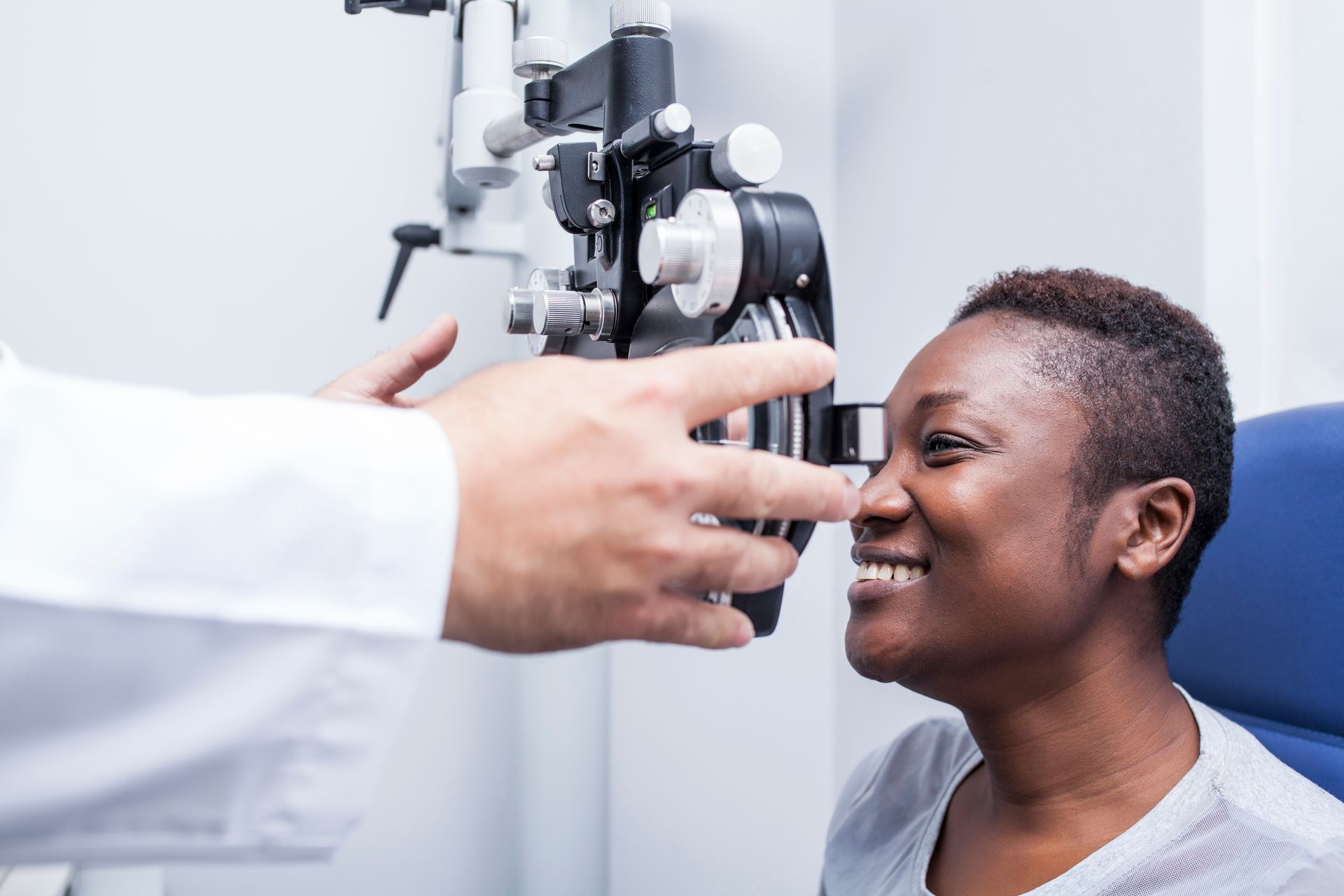
A thorough eye exam is an important part of keeping your vision healthy and protecting your eyes. If you are arranging for your first eye examination as an adult, if you are taking a child in for an evaluation, or if you have noticed any changes in your vision, knowing what to expect can help make the experience more comfortable. The eye exams carried out at Baptist Eye Surgeons not only check your vision but also look at your general eye health and spot any possible problems that might call for further investigation. What is the Importance of Eye Examinations? An eye examination does not merely enable one to find out if glasses or contact lenses are required. It lets an eye care professional assess how well your eyes are working and spot the signs of common eye conditions.  Some eye conditions can progress slowly without symptoms. Regular eye checkups can help detect changes earlier and make sure you receive appropriate treatment when needed. Step by step: The Process Involved in Having an Eye Examination Even though the different appointments may vary according to your particular needs, a typical full eye examination will involve a number of significant steps. 1. An Examination of Your Medical & Eye History Your appointment may start with questions about your vision, medical history, medications, any previous eye conditions, and your family history of eye disease. Be sure to report any changes in your vision, eye discomfort, headaches, or other concerns you have noticed. Your eye care professional may also ask about the glasses or contact lenses you currently use and how well they work for you. 2. Checking Your Vision A well-known part of an eye examination is the visual acuity test. You might be asked to read some letters or symbols from a chart at a set distance. This lets doctors assess how clearly you can see and decide whether corrective lenses would help. Further testing could assess your ability to see up close and the way well your eyes work together. 3. The Measurement of Eye Health & Function Your eye care professional might carry out a number of tests in order to assess the health and functioning of your eyes. The tests involved may vary depending on your age, symptoms, and risk factors and could include measuring eye pressure, examining eye movement and coordination, and looking at the structures at the front and back of the eye. They can help spot possible signs of eye disorders. 4. Discussing Your Results Your ophthalmologist will review the results with you after the examination. If your vision has changed, they may suggest new prescription lenses. If they spot an eye condition or another issue, they could recommend further testing, further monitoring, or treatment. It is also a good chance to ask questions regarding your eye health and the recommended follow-up care. What Should You do to Get Ready for your First Eye Examination? Having an eye examination usually involves nothing complicated. It is a good idea to take with you your present glasses or contact lens details and to be ready to give a list of any medications as well as any applicable medical or family history. Additionally, it might be helpful to remember any vision changes or symptoms you have had. Dilation may occur during the examination if certain tests are performed. After dilation has been advised, your vision might be temporarily blurred or more sensitive to light. Supporting Healthy Vision The initial eye examination is a valuable chance to determine a baseline for your eye health and understand your specific vision needs. Regular eye exams help monitor changes over time and support early detection of possible eye conditions. Plan a visit with an eye care professional if you have discovered any changes in your vision or if you're due for a check-up.
August 28, 2026
Healthy vision is essential for a child's development, learning, and daily activities. From recognizing faces in infancy to reading, participating in sports, and navigating school, children depend on their eyesight to interpret and relate to their environment. Knowing typical vision milestones helps parents spot possible issues and seek appropriate care when needed. How Does Vision Develop in Children? Vision develops rapidly during the first years of life. Newborns perceive light, shapes, and nearby objects, although their vision remains immature. As children mature, their capacity to focus, track moving objects, recognize details, and coordinate both eyes improves progressively. Due to the gradual nature of visual development, regular eye examinations are essential. Certain childhood vision problems may not be readily apparent, especially when one eye is stronger than the other. Although each child develops at an individual pace, several general vision milestones may guide parental observation. 1. Infants: Birth to 12 Months Within the first year, infants typically develop the ability to focus on faces and objects, visually track moving items, and reach for objects they observe. Caregivers may also observe infants responding to known faces and visually exploring their environment. If an infant does not track objects, exhibits eyes that frequently cross or wander, or fails to respond visually to people or objects, these concerns should be discussed with a pediatrician or eye care professional. 2. Toddlers: Ages 1 to 3 As children become more active, their visual skills continue to develop. Toddlers rely on vision to walk, climb, manipulate small objects, and interact with toys. Over time, they typically improve in identifying familiar people and objects and in coordinating eye and hand movements. Frequent eye rubbing, squinting, sitting close to screens, or difficulty seeing objects could indicate the need for an eye exam. 3. Preschool and School-Age Children By preschool and early elementary school, children utilize vision for detailed activities including coloring, drawing, letter recognition, reading, and participating in games. Effective eye coordination and focusing abilities support learning and classroom performance. Children may not always realize their vision differs from other children’s, so parents should watch for signs such as headaches, avoiding reading, losing their place while reading, holding books unusually close, or struggling to see the board. Signs of Possible Vision Problems Caregivers should monitor for changes in a child's vision or behavior. Potential warning signs include: Frequent squinting or eye rubbing Eyes that cross, wander, or do not move together Complaints of blurry or double vision Frequent headaches Difficulty reading or concentrating Sitting very close to a television or screen Tilting or turning the head to see Covering or closing one eye Difficulty recognizing objects or seeing at a distance Avoiding activities that require close or distance vision If you notice these signs, speak with a pediatrician or eye care professional. The Importance of Children’s Eye Exams Regular eye examinations can identify vision problems before they interfere with learning and development. Eye care professionals assess visual acuity, binocular coordination, and common childhood eye conditions. Early detection matters because some vision problems are easier to address when identified in childhood. Parents must follow their child’s healthcare provider's recommendations for vision screenings and comprehensive eye exams. Helping Protect Your Child’s Vision Caregivers can promote healthy vision by encouraging beneficial habits. These include spending time outdoors, taking regular screen breaks, using appropriate protective eyewear during activities, maintaining a balanced diet, and attending recommended pediatric and eye care appointments. Supporting Healthy Vision at Every Age Knowing children's vision milestones helps caregivers distinguish typical development and spot possible issues early. Throughout infancy and the school years, monitoring how a child sees, focuses, and interacts with their environment is vital for supporting healthy development.  If you notice concerns about a child's eyesight or alterations in vision, consult a healthcare provider or eye care professional. Early attention to vision supports learning, development, confidence, and overall quality of life.
July 29, 2026
Diabetes affects various parts of the body, including your eyes. Keeping your blood sugar under control is not just good for your health overall, but it also helps protect your eyesight. Over time, high blood sugar can irritate the tiny blood vessels in your eyes and increase your risk of serious eye problems. Knowing how diabetes and eye health are linked can help you identify issues and take measures to protect your sight. How Does Diabetes Affect Eye Health? When blood sugar stays high, it can damage the blood vessels in the retina, which is the part of your eye that senses light and helps you see. Damaged blood vessels might leak fluid, swell, or change how well the retina works. Diabetic eye problems usually develop slowly, so you might not pick up on any changes in your vision until significant damage has occurred. That’s why it’s important for people with diabetes to get regular eye exams, even if their eyesight seems fine. Common Eye Conditions Linked to Diabetes People with diabetes are more likely to have certain eye problems. Finding and treating these issues early can lower the chance of losing vision permanently. 1. Diabetic Retinopathy Diabetic retinopathy is a common eye issue that happens when high blood sugar damages the retinal blood vessels. These damaged vessels may leak fluid, which may cause blurry vision, dark spots, or changes in how you see. In advanced cases, abnormal blood vessel growth can lead to serious problems. If diabetic retinopathy worsens, new abnormal blood vessels can grow, causing serious problems, including vision loss. Getting regular eye exams can help catch these changes early, before they become severe. When fluid is retained in the macula (part of the retina which focuses on sharp central vision), this swelling can make it harder to read, recognize faces, or see fine details clearly. When detected early, treatments can help reduce swelling and protect your eyesight. 3. Cataracts People with diabetes have a higher chance of getting cataracts early. Cataracts occur when the lens in your eye becomes cloudy, which can cause blurry vision, increased sensitivity to glare, and difficulty seeing clearly. While cataracts come with age, having diabetes can make them appear sooner or progress quicker. 4. Glaucoma Diabetes can also raise your risk for glaucoma, which is a group of eye diseases that harm the optic nerve. Glaucoma usually starts without any clear symptoms, but if it is not treated, it can cause permanent vision loss. Routine regular eye exams are important for finding glaucoma early and keeping your eyes healthy Diabetes-related eye problems might not cause symptoms at first. Still, there are some warning signs you should look out for: • Blurry or distorted vision • Difficulty focusing • Dark spots, floaters, or shadows in your sight • Increased sensitivity to glare • Trouble seeing colors clearly • Sudden alterations in vision • Partial or complete loss of vision If you notice sudden vision changes, contact an eye doctor as soon as possible. The Value of Regular Eye Exams for People With Diabetes Getting a full eye exam is one of the best ways to protect your vision if you have diabetes. During the examination, your physician will study your retina, look for symptoms of diabetic eye disease, and track any changes over time. Many eye problems linked to diabetes can be treated more easily if they are found early. Regular checkups help your eye doctor give you advice that fits your own eye health and diabetes care. Protecting Your Eyes When You Have Diabetes Looking after your general health is important for keeping your eyes healthy. Here are some things you can do to protect your vision: • Keeping blood sugar levels under control • Managing blood pressure and cholesterol • Scheduling regular diabetic eye exams • Following your diabetes treatment plan • Eating a balanced diet that promotes eye health • Avoiding smoking, which increases the risk of eye complications Prioritizing Your Vision and Eye Health Diabetes and eye health are closely linked, but you can lower your risk of serious vision problems by taking action early. Getting regular eye exams, making healthy choices, and managing your diabetes all help protect your eyesight. If you have diabetes, seeing your eye doctor regularly can help catch changes early and keep your vision clear for the future. Your eyes are a key part of your health, so make caring for them a priority at every age.